Category

Textile
Auxiliaries

Dyeing auxiliaries, finishing chemicals, softeners, and functional textile treatments for modern textile mills and dyeing units.

30
Total
Products
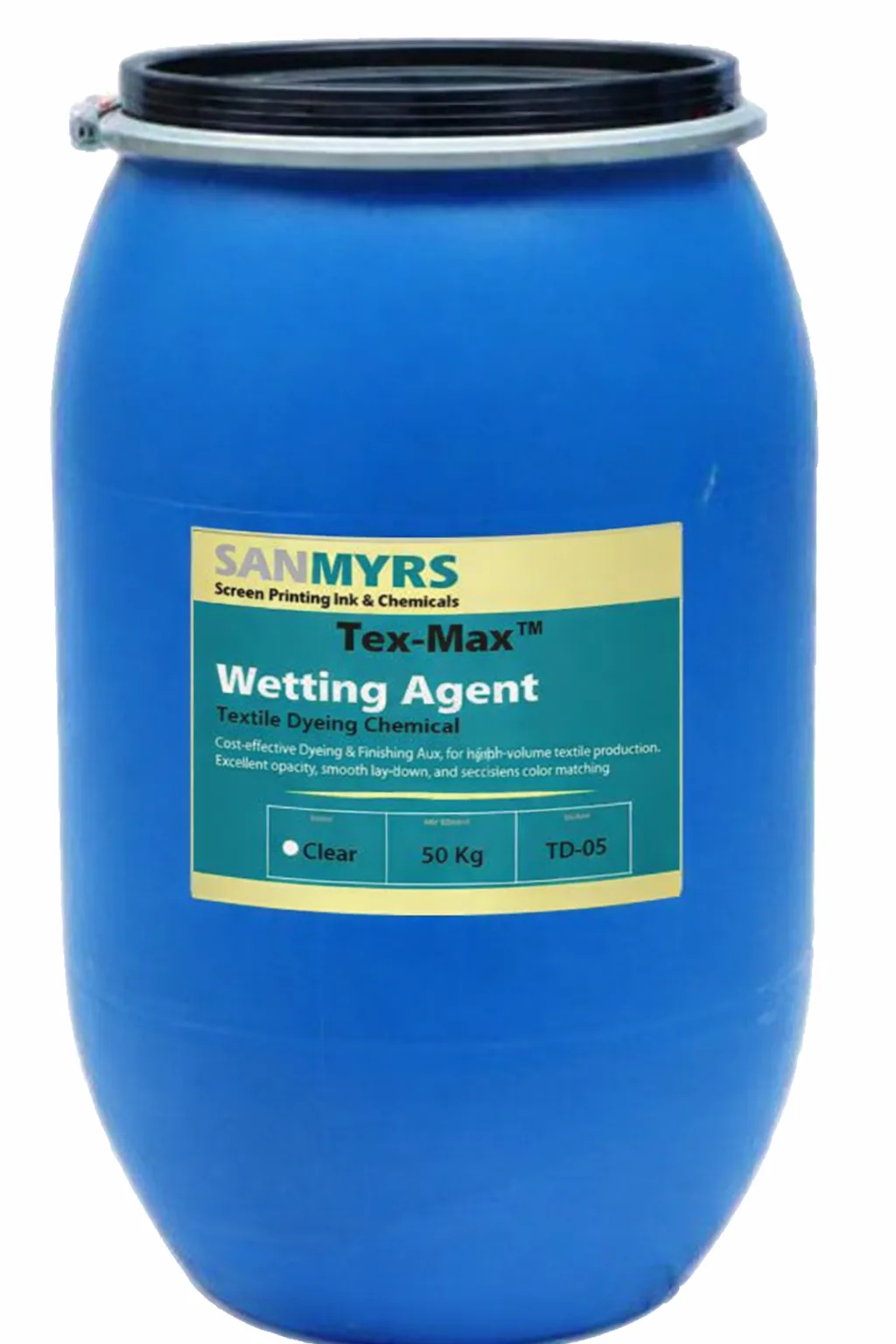
Wetting Agent

Wetting Agent

Textile wetting agents are anionic or non-ionic surfactant compounds that dramatically reduce the surface tension of aqueous dyebaths and process liquors, enabling rapid and uniform penetration of process chemicals into the dense fiber structure of yarn packages, fabric rolls, and garment loads. By eliminating trapped air pockets within fiber bundles and fabric constructions, wetting agents ensure that dyebath chemistry reaches all fiber surfaces simultaneously, preventing the uneven dye uptake and streaky dyeing defects caused by poor liquor penetration. Effective at very low addition rates (0.5–2 g/L), wetting agents are standard additions to scouring, dyeing, and finishing liquors.

View Details →
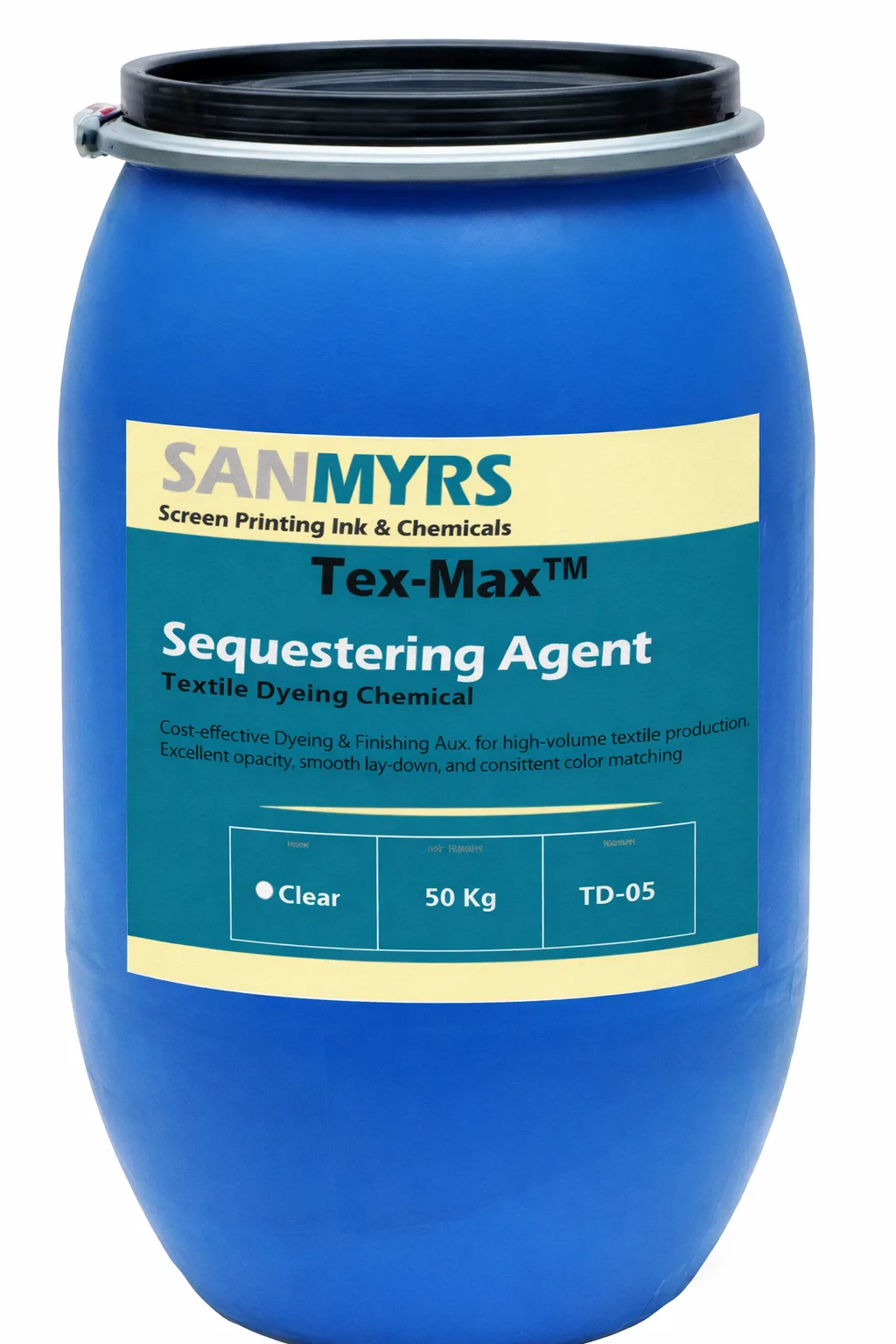
Sequestering Agent

Sequestering Agent

Textile sequestering agents are chelating compounds — primarily phosphonate, EDTA, or polycarboxylate chemistry — that bind and inactivate calcium, magnesium, iron, and other heavy metal ions present in hard process water and in the textile substrate itself, preventing their interference with dye chemistry, bleaching performance, and auxiliaries stability. Metal ions precipitate anionic dyes and auxiliaries, catalyze peroxide decomposition in bleach baths, and cause yellowing and shade contamination in finished textiles without effective sequestration. Sequestrants are particularly critical in areas with hard water supply, where high calcium and magnesium content would otherwise severely compromise process reproducibility.

View Details →
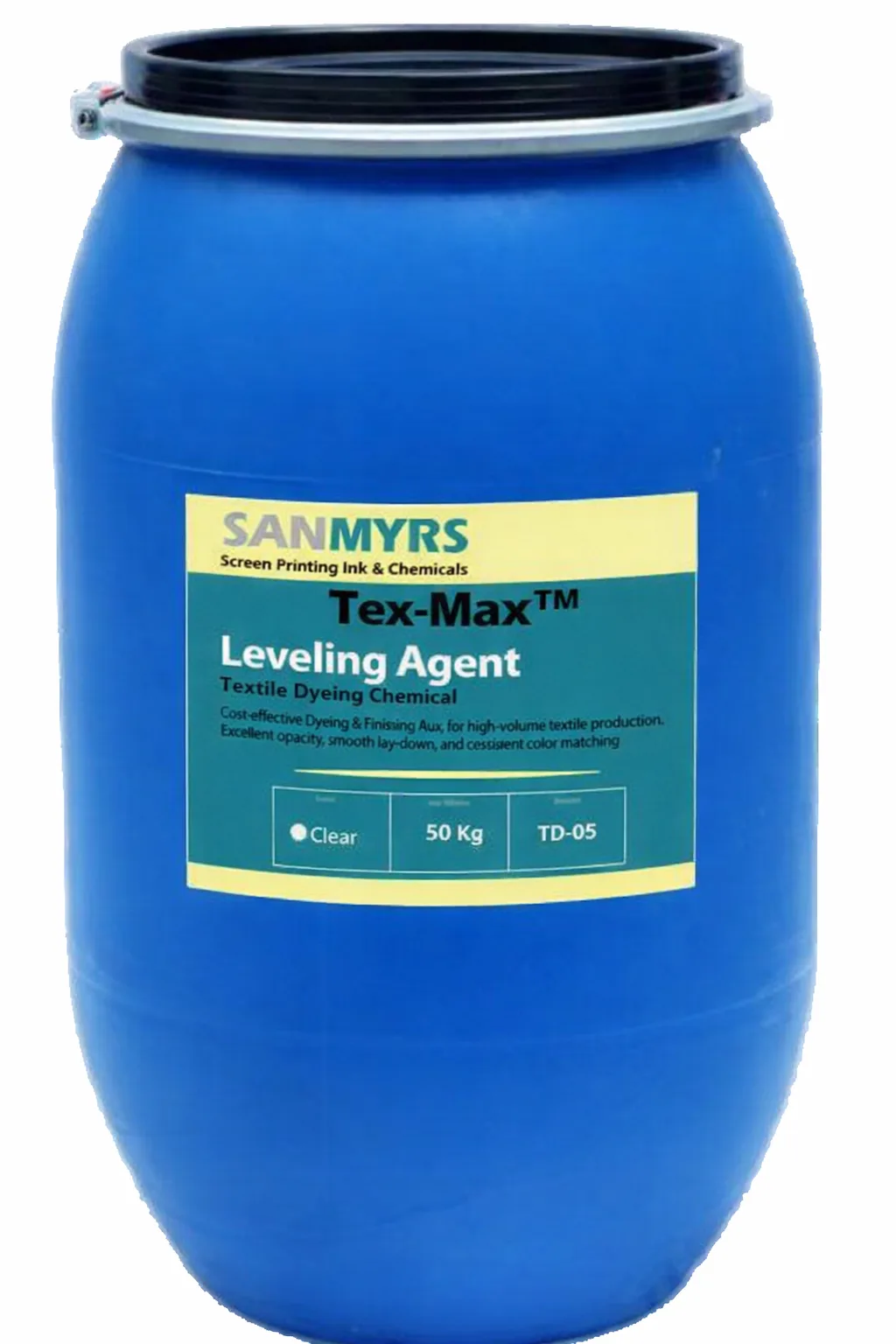
Leveling Agent

Leveling Agent

Textile leveling agents are amphiphilic surfactants or polymer compounds that control the rate of dye uptake from the dyebath onto fiber, retarding initial dye strike and promoting migration of pre-absorbed dye from heavily dyed areas to lighter areas, ultimately producing uniform, level dyeings across the entire substrate. Anionic leveling agents for reactive and direct dyes compete with dye molecules for fiber sites, while cationic leveling agents for acid and basic dyes retard ionic bonding kinetics. Without leveling agents, rate-sensitive dyeings on automated machines with rapid temperature ramping frequently produce unlevel, stripey results.

View Details →
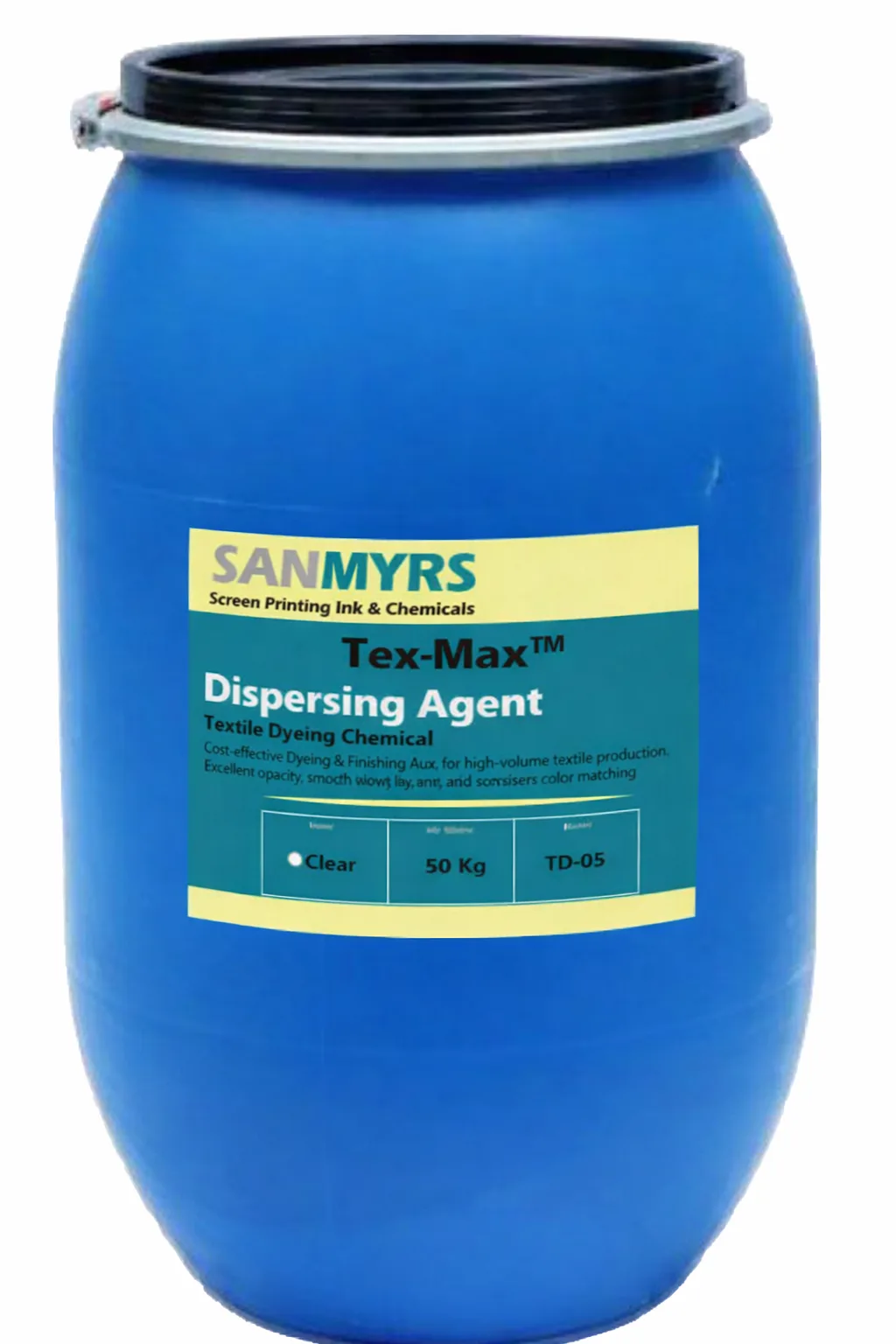
Dispersing Agent

Dispersing Agent

Textile dispersing agents are anionic polymer surfactants — naphthalene sulfonate formaldehyde condensates or lignosulfonates — that maintain the colloidal stability of disperse dye particles and other insoluble chemicals in aqueous dyebaths at elevated temperatures and pH extremes, preventing particle agglomeration and precipitation onto the fabric surface as dye spots and oligomer deposits. At HT dyeing temperatures above 130°C, disperse dyes tend to self-aggregate unless a dispersant is present throughout the dyebath. Dispersing agents also facilitate the removal of disperse dye surface deposits from polyester during the reduction clearing stage.

View Details →
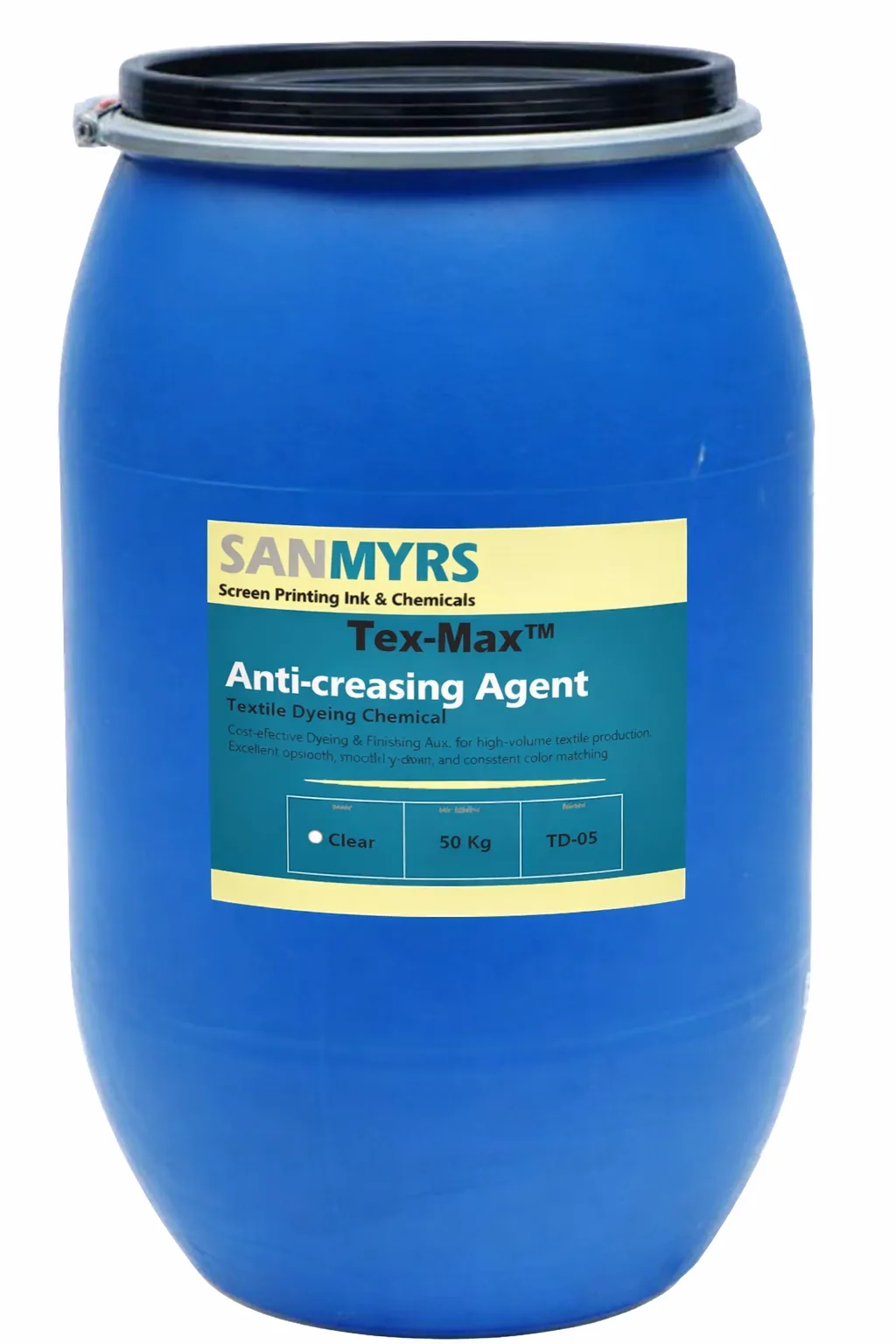
Anti-creasing Agent

Anti-creasing Agent

Textile anti-creasing agents are lubricant polymer emulsions that coat fabric surfaces and fiber-fiber contact points within jet dyeing machines to reduce inter-fiber friction and fabric-machine contact forces, preventing the formation of permanent crease marks and rope marks in the fabric rope during high-temperature machine processing. Crease damage is a particularly serious defect risk in woven synthetics, acetate, and high-twist worsted wool fabrics processed in jet dyeing machines, where tight rope formation under tension and heat can cause permanent fabric distortion. Anti-creasing agents also facilitate smooth fabric rope movement, reducing machine load and power consumption.

View Details →
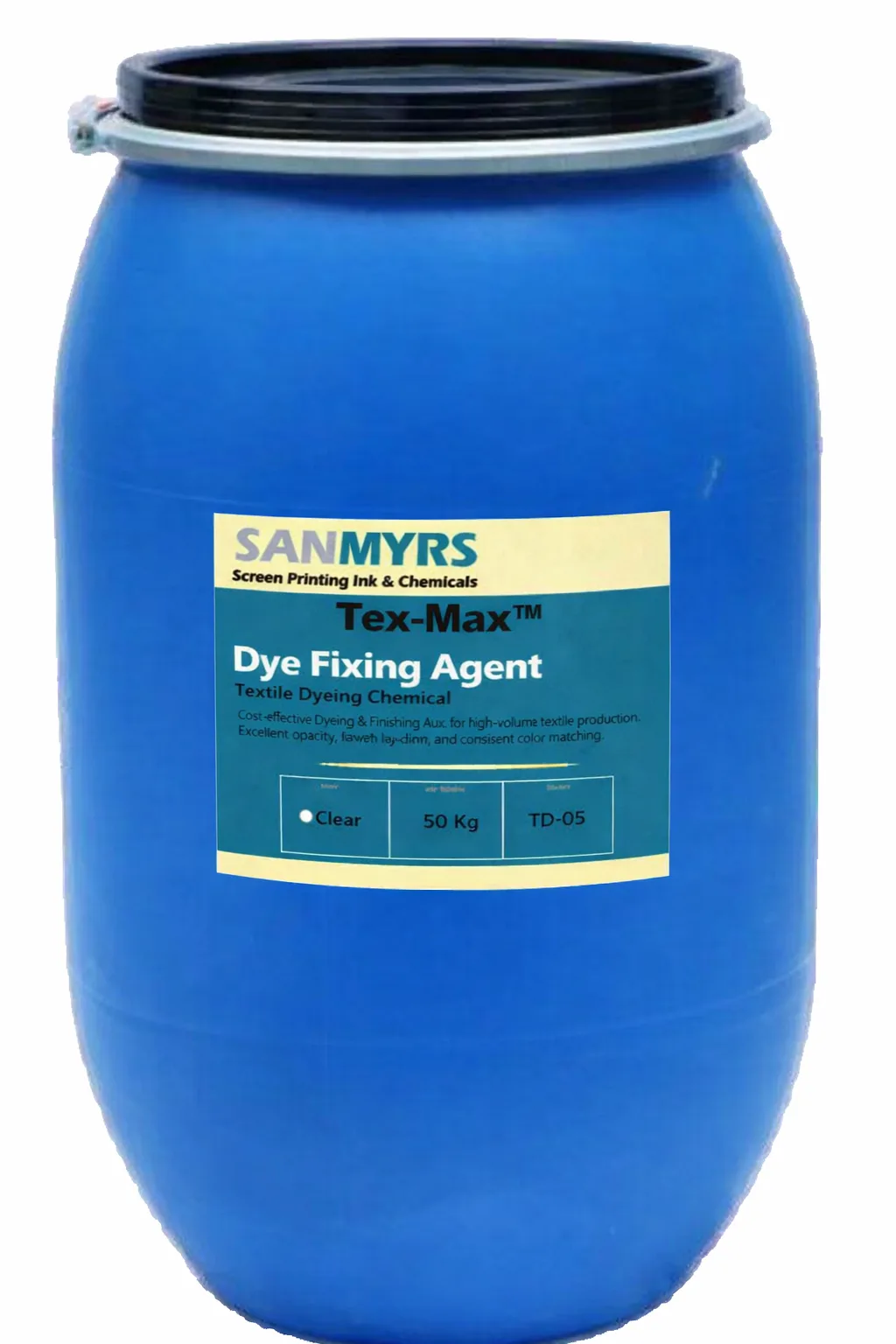
Dye Fixing Agent

Dye Fixing Agent

Textile dye fixing agents are cationic polymer compounds — polyamine or quaternary ammonium chemistry — applied after dyeing in an exhaust or pad aftertreatment to improve the wet fastness and perspiration fastness of reactive, direct, and vat dyes on cotton and regenerated cellulosic fibers by forming ionic complexes with unfixed anionic dye molecules that would otherwise bleed in washing. The cationic fixer forms an insoluble ionic complex with the surface dye, anchoring it to the fiber and dramatically reducing the amount of dye that transfers to wash water in subsequent laundering. Modern fixing agents are formaldehyde-free and comply with OEKO-TEX Standard 100.

View Details →
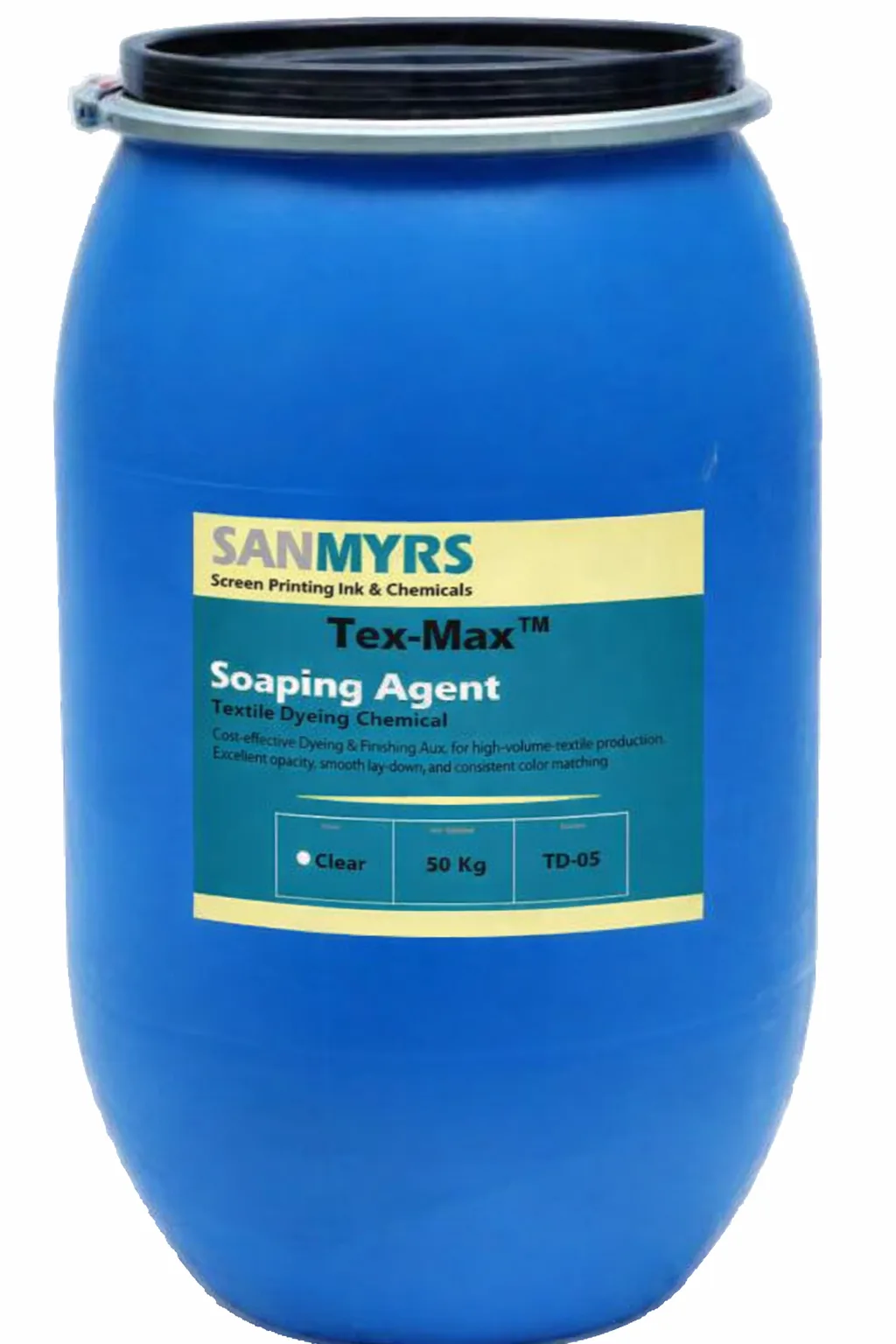
Soaping Agent

Soaping Agent

Textile soaping agents are anionic and non-ionic surfactant blends specifically designed for the post-dyeing soaping wash stage, where their primary function is to remove unfixed and hydrolyzed reactive dye molecules from the fiber surface and prevent them from re-deposition onto adjacent fabric or fiber surfaces that would cause shade contamination and reduced rub fastness. The anti-redeposition polymer component of soaping agents keeps hydrolyzed dye dispersed in the wash liquor until it is drained away rather than re-adsorbing onto clean fabric. Effective soaping at 95°C for 15–20 minutes is critical for achieving commercial rub and wash fastness ratings.

View Details →
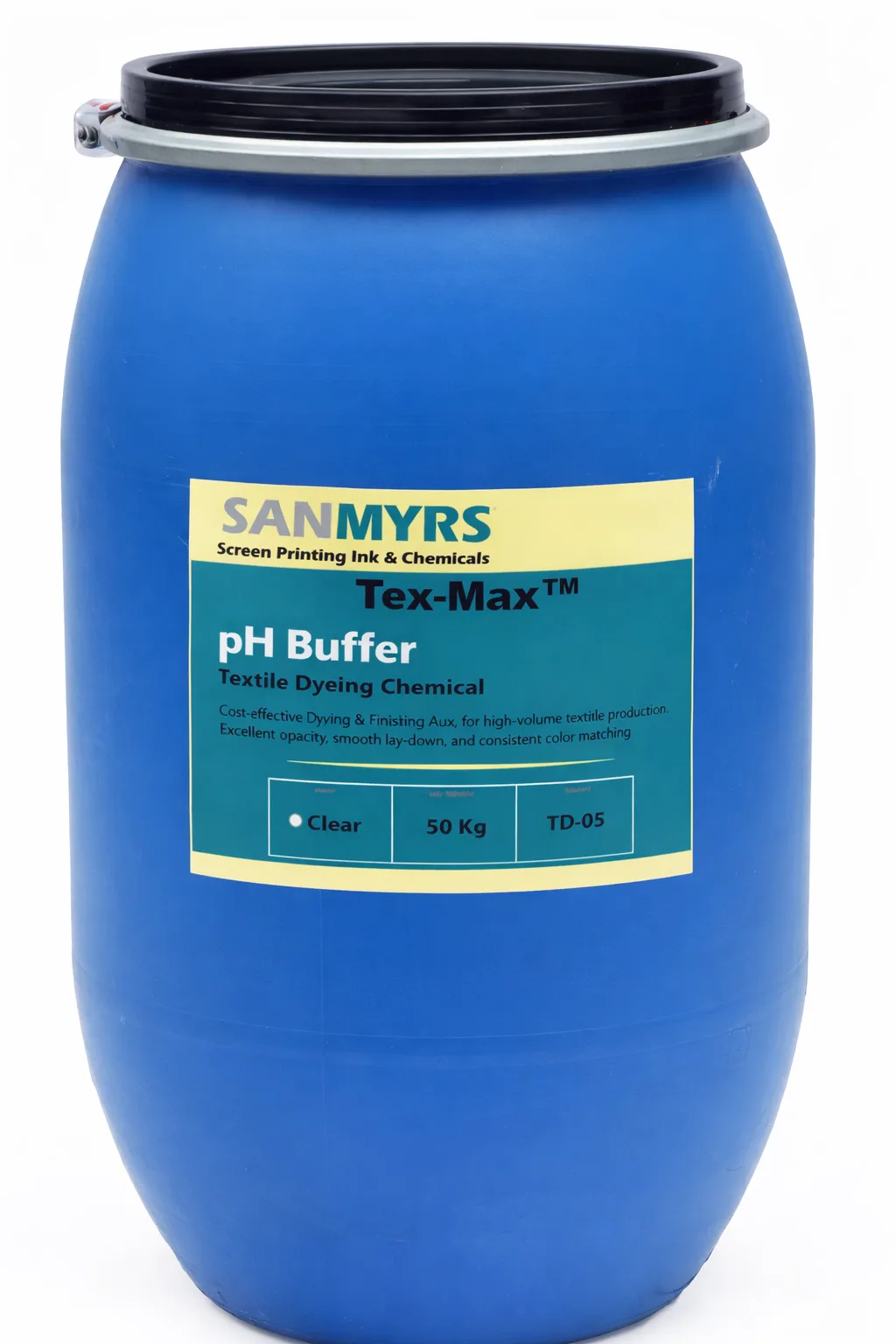
pH Buffer

pH Buffer

Textile pH buffers are chemical blends that maintain the dyebath or process liquor within a precisely controlled pH range throughout the dyeing or finishing cycle, ensuring reproducible dye chemistry, consistent dye fixation yields, and protection of sensitive fiber structures from acid or alkali damage. Reactive dye fixation on cotton requires controlled alkaline pH (10.5–11.5) throughout the fixation period, while acid dye exhaust on wool requires a controlled acidic pH (4.0–5.5) that must be maintained as dye is absorbed. Phosphate, acetate, sodium bicarbonate, and citrate buffer systems are used depending on the required pH range.

View Details →
Carrier for Polyester Dyeing

Carrier for Polyester Dyeing

Textile dyeing carriers are aromatic or aliphatic organic compounds that swell and temporarily plasticize the compact amorphous regions of polyester fiber structure at atmospheric pressure (100°C), temporarily lowering the glass transition temperature (Tg) and allowing disperse dye molecules to diffuse into the fiber interior at lower temperatures than would otherwise be possible. Carriers enable atmospheric pressure dyeing of polyester in open baths where high-temperature (HT) pressure equipment is unavailable, or dyeing of polyester-cotton and polyester-wool blends where HT temperatures would damage the natural fiber component. After dyeing, thorough washing is required to remove carrier residues.

View Details →
Defoamer / Antifoam

Defoamer / Antifoam

Textile defoamers and antifoam agents are silicone emulsion or mineral oil compounds that destabilize foam generated in wet processing machinery by rapidly spreading over foam bubble surfaces, reducing their surface elasticity and causing collapse. Foam in jet dyeing machines, padding mangles, and printing paste mixers interferes with liquor circulation, causes unlevel dyeing through air entrapment, and can overflow tanks causing safety and housekeeping issues. Textile defoamers are effective at very low addition rates (0.1–0.5 g/L) and are compatible with all dyebath and finishing chemical systems.

View Details →
Enzyme (Bio Polishing, Desizing)

Enzyme (Bio Polishing, Desizing)

Textile processing enzymes are biological catalysts used in two major applications: cellulase enzymes for bio-polishing of cotton and cellulosic fabrics, which hydrolyze and remove protruding surface fibrils from the yarn surface to produce smooth, pill-resistant, high-luster fabrics; and amylase enzymes for desizing of starch-sized warp yarns, which efficiently hydrolyze starch sizing agent under mild conditions (60–70°C, near-neutral pH) without damaging the cotton fiber. Enzymatic processing is preferred over harsh chemical scouring and mechanical sueding because it achieves superior results with lower energy, water, and chemical inputs, aligning with sustainable textile manufacturing goals.

View Details →