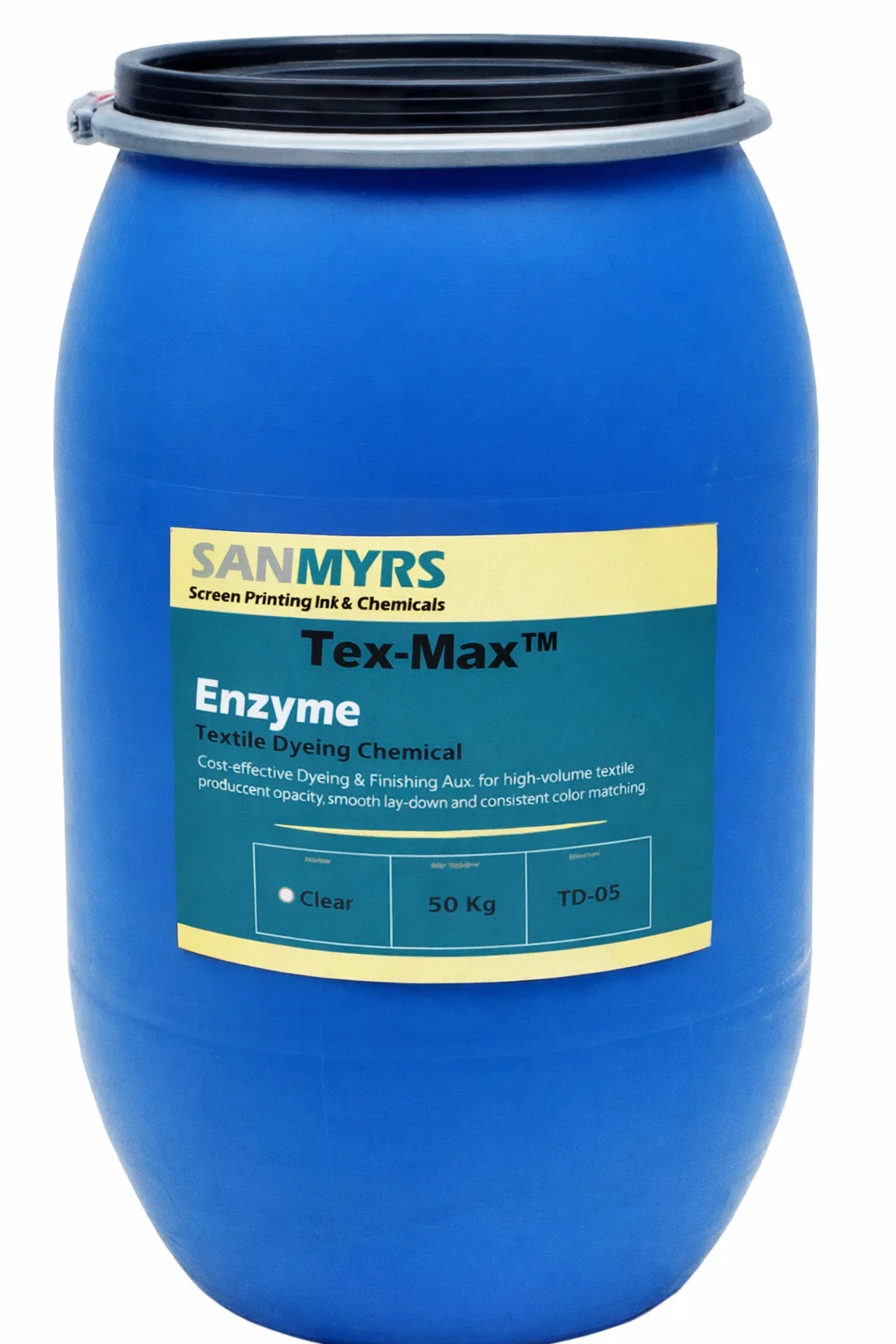
Enzyme (Bio Polishing, Desizing)
Textile processing enzymes are biological catalysts used in two major applications: cellulase enzymes for bio-polishing of cotton and cellulosic fabrics, which hydrolyze and remove protruding surface fibrils from the yarn surface to produce smooth, pill-resistant, high-luster fabrics; and amylase enzymes for desizing of starch-sized warp yarns, which efficiently hydrolyze starch sizing agent under mild conditions (60–70°C, near-neutral pH) without damaging the cotton fiber. Enzymatic processing is preferred over harsh chemical scouring and mechanical sueding because it achieves superior results with lower energy, water, and chemical inputs, aligning with sustainable textile manufacturing goals.
Key Applications
- Cellulase bio-polishing of cotton knit and woven fabrics for anti-pilling
- Amylase desizing of starch-sized warp yarns before dyeing
- Stone-wash simulation on denim using cellulase enzymes
- Eco-friendly scouring of cotton using alkaline protease and lipase enzymes
Frequently Bought Together
Wetting Agent
Textile wetting agents are anionic or non-ionic surfactant compounds that dramatically reduce the surface tension of aqueous dyebaths and process liquors, enabling rapid and uniform penetration of process chemicals into the dense fiber structure of yarn packages, fabric rolls, and garment loads.
Textile Dyes & AuxiliariesSequestering Agent
Textile sequestering agents are chelating compounds — primarily phosphonate, EDTA, or polycarboxylate chemistry — that bind and inactivate calcium, magnesium, iron, and other heavy metal ions present in hard process water and in the textile substrate itself, preventing their interference with dye chemistry, bleaching performance, and auxiliaries stability.
Textile Dyes & AuxiliariesLeveling Agent
Textile leveling agents are amphiphilic surfactants or polymer compounds that control the rate of dye uptake from the dyebath onto fiber, retarding initial dye strike and promoting migration of pre-absorbed dye from heavily dyed areas to lighter areas, ultimately producing uniform, level dyeings across the entire substrate.