Category

Screen Printing
Inks & Additives

Plastisol and water-based inks, specialty effects, and additives for garment decorators and textile screen printers.
78
Total
Products
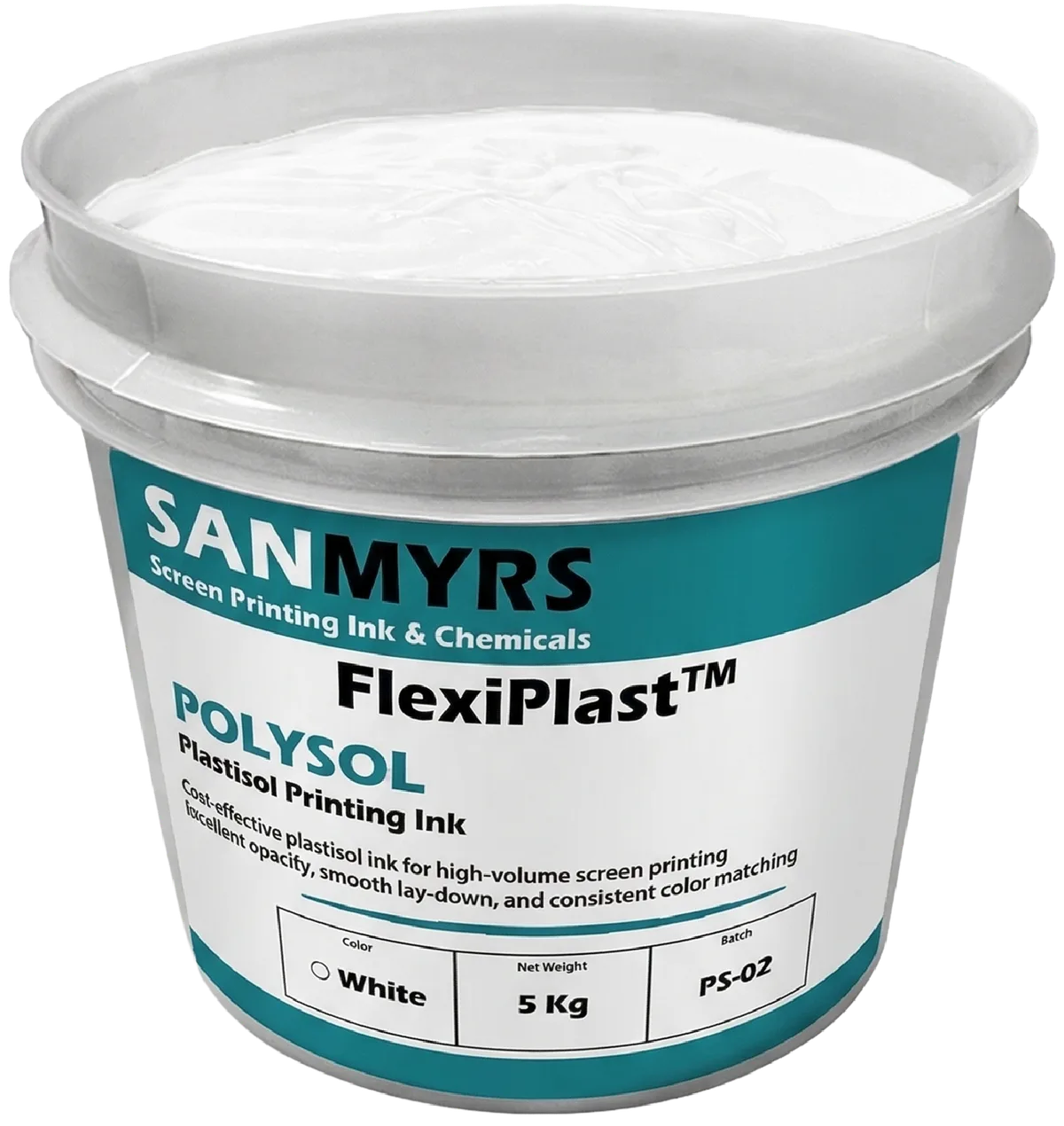
Plastisol Standard Plastisol Ink

Plastisol Standard Plastisol Ink

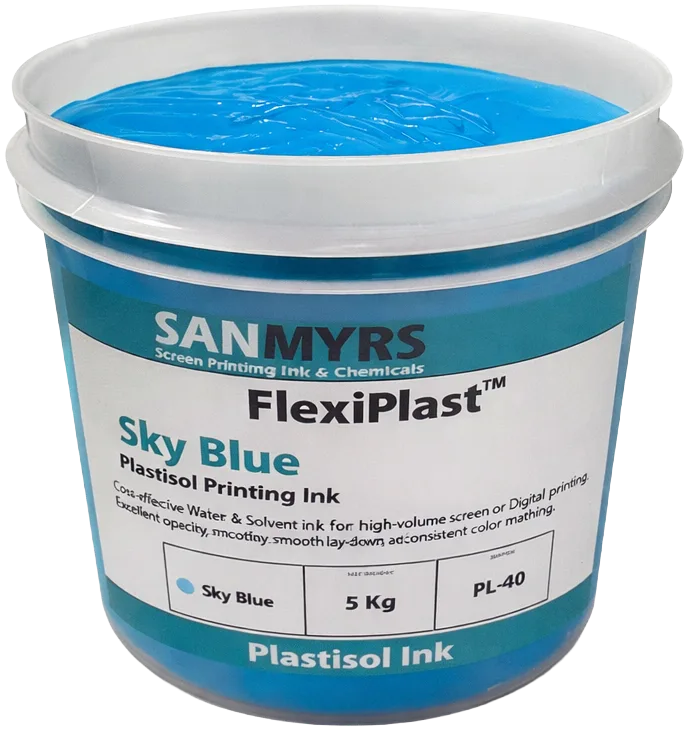
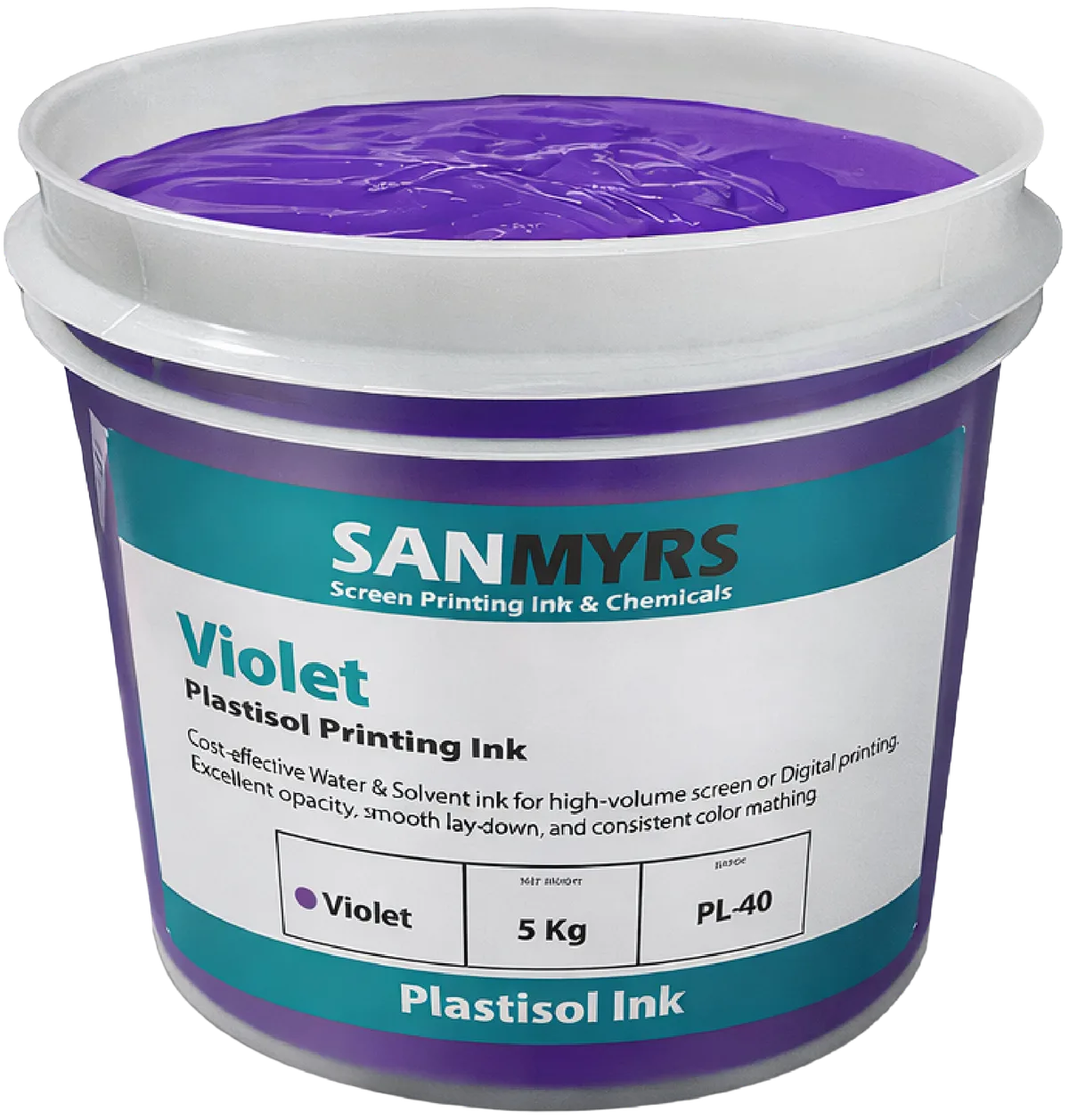
Our standard plastisol ink offers exceptional opacity, vibrant color reproduction, and reliable adhesion on cotton and cotton-blend fabrics. Formulated with PVC resin and plasticizer suspension, it remains stable at room temperature and cures reliably at standard temperatures of 160–180°C under a conveyor dryer. Ideal for general-purpose garment decorating where durability, washfastness, and cost-efficiency are key priorities.

View Details →
Plastisol High Opacity Ink

Plastisol High Opacity Ink

High opacity plastisol ink is engineered with elevated titanium dioxide loading and optimized PVC particle size to achieve maximum coverage on dark and black garments in a single pass. The thick, creamy body allows for sharp halftone reproduction and clean edge definition even at high mesh counts. It eliminates the need for multiple underbase layers, reducing production time and cost on dark-fabric jobs.

View Details →
Plastisol Low Bleed Ink

Plastisol Low Bleed Ink

Plastisol low bleed ink contains specialized migration-resistant chemistry that prevents dye sublimation from polyester and poly-blend fabrics from contaminating the print surface during the curing cycle. The proprietary barrier system locks migrating dyes before they can discolor overlying ink layers, maintaining crisp, true colors on performance wear and sportswear. It cures at standard plastisol temperatures without requiring special equipment.

View Details →
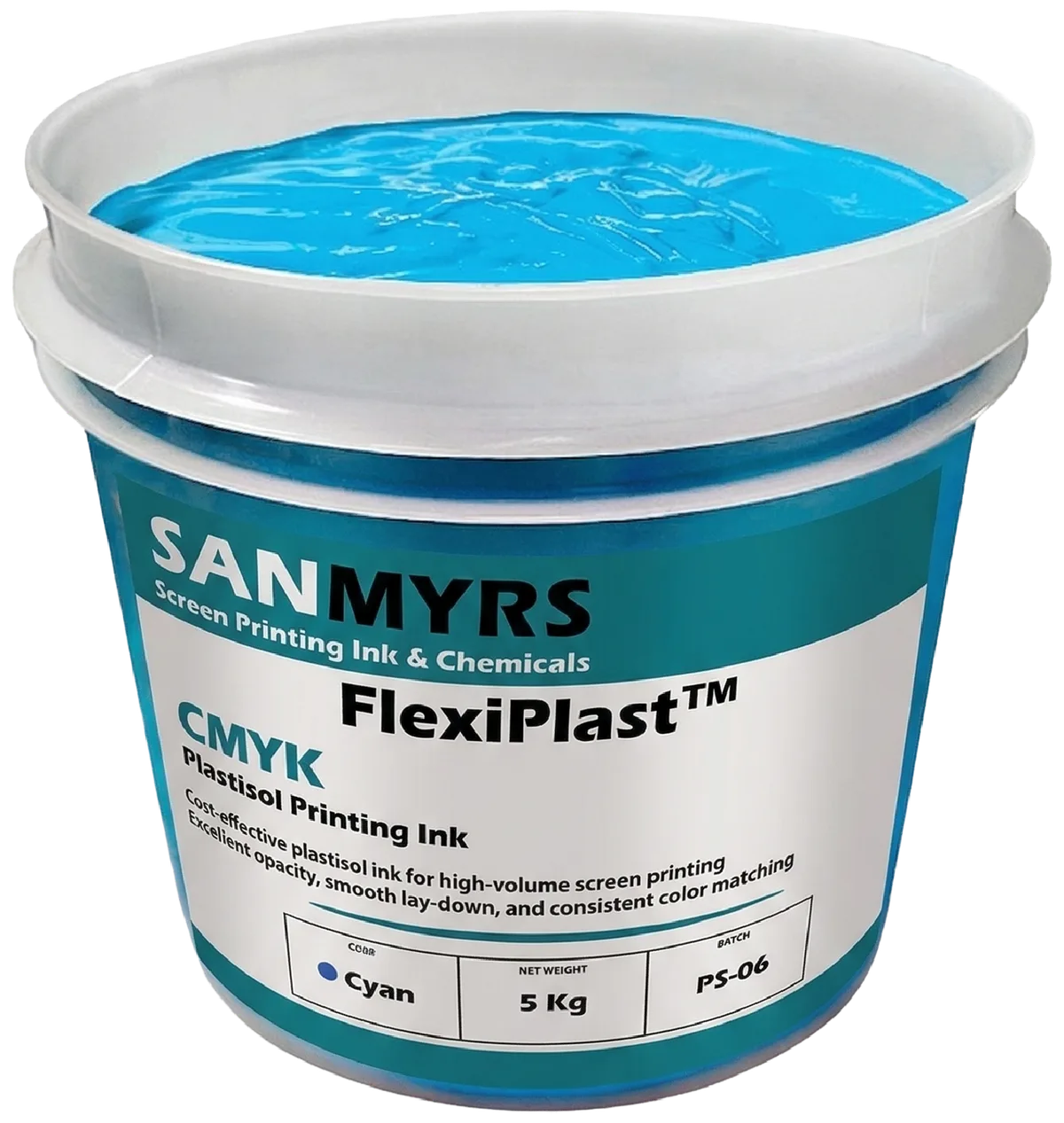
Plastisol CMYK Ink

Plastisol CMYK Ink

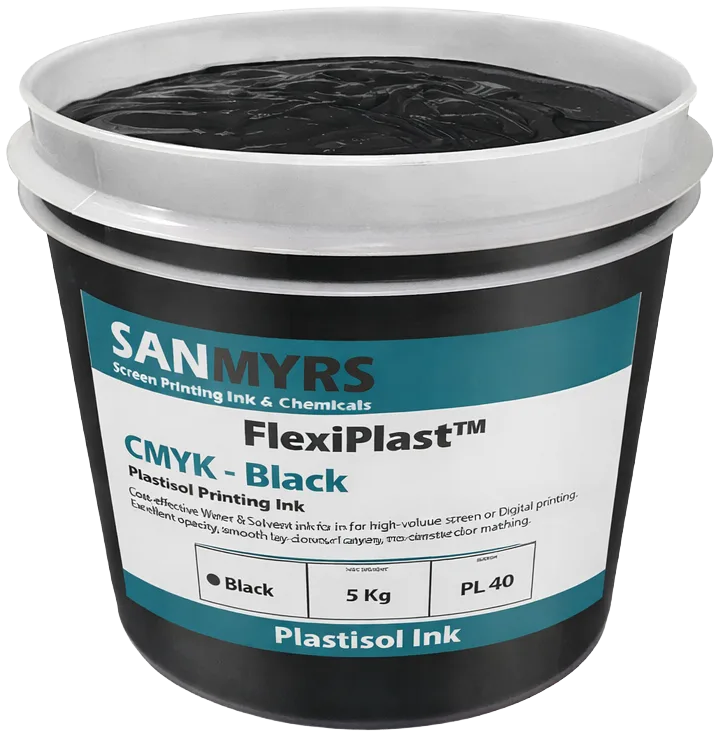
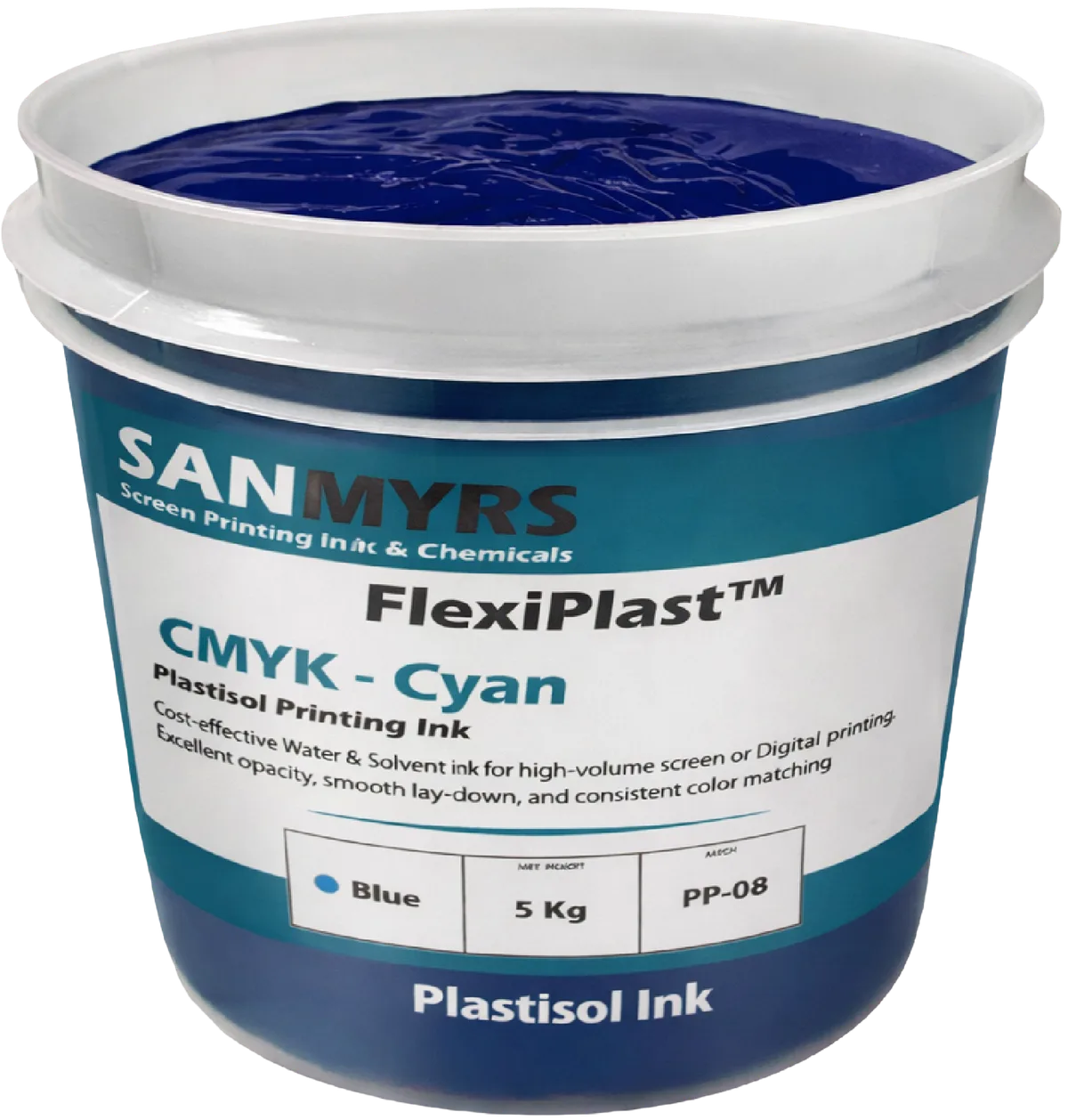
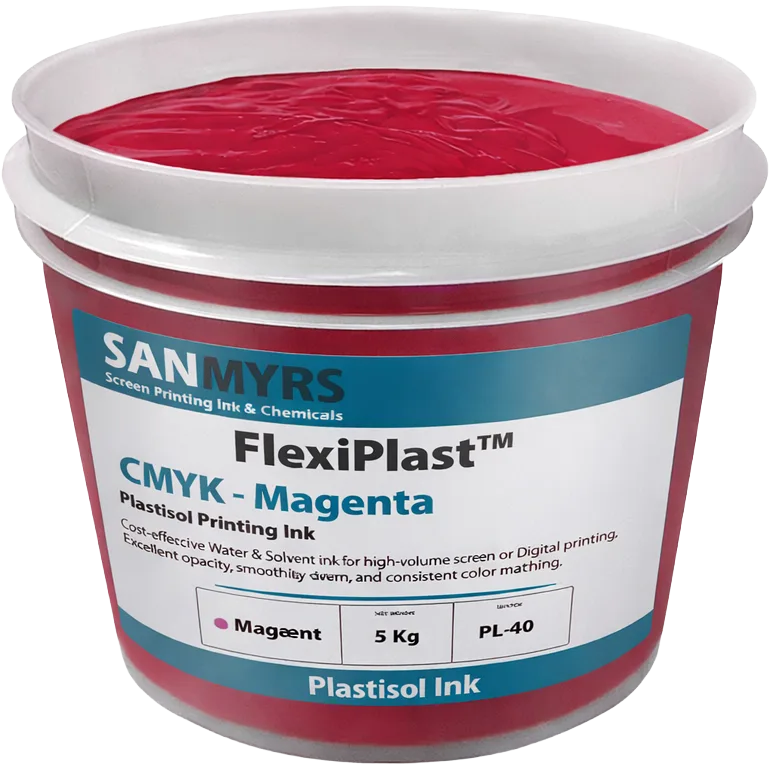
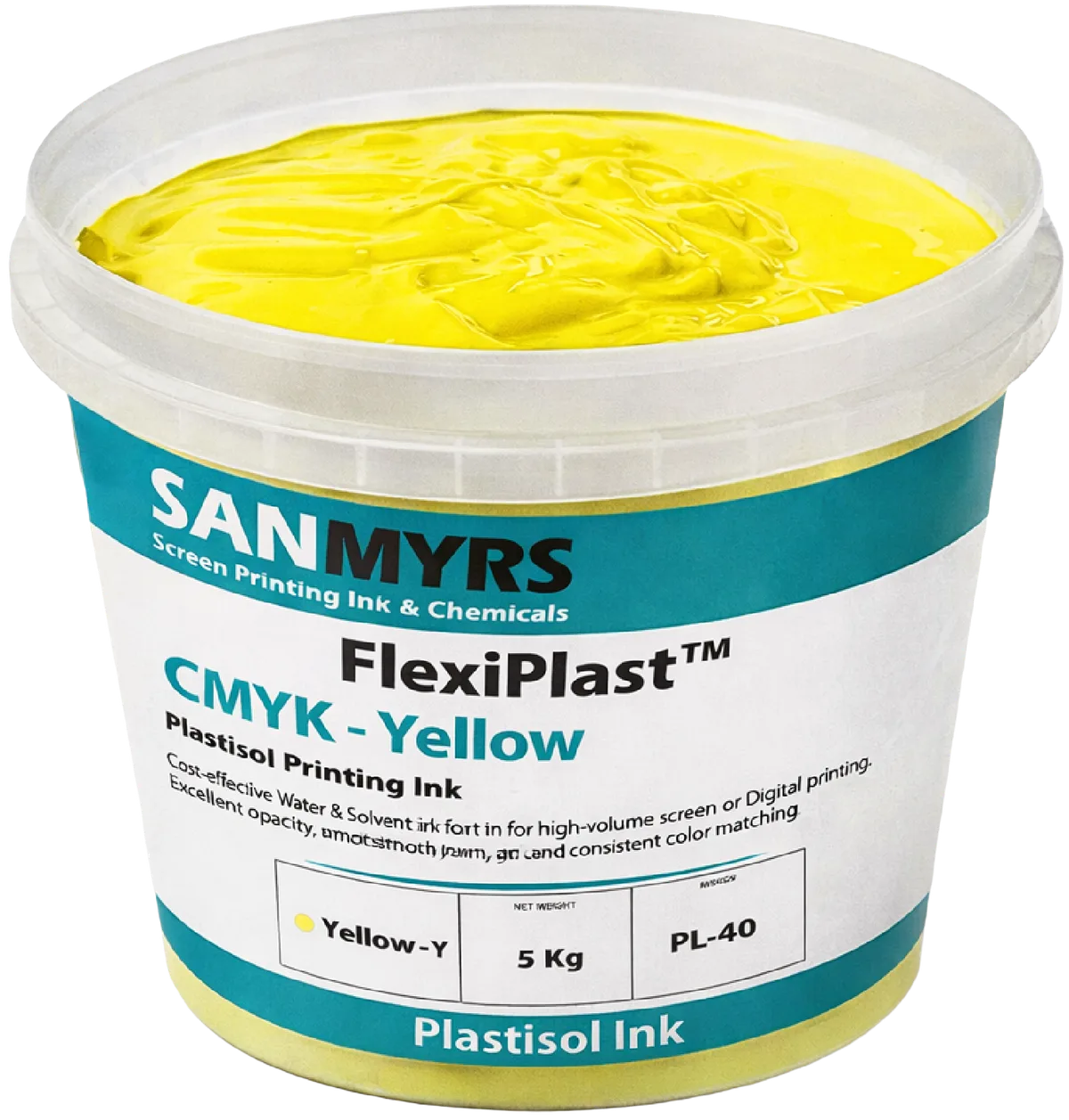
Our CMYK process plastisol inks are precision-mixed to Pantone-referenced cyan, magenta, yellow, and key black standards for accurate four-color process halftone printing on textiles. The semi-transparent formulation allows overprinting of halftone dots to produce the full photographic color gamut required for simulated process and four-color process printing techniques. Consistent viscosity and tack balance across the set ensure smooth ink transfer and minimal dot gain on mesh counts of 160–196 threads per inch.

View Details →
Plastisol PU Ink

Plastisol PU Ink

Plastisol PU (polyurethane) ink incorporates a polyurethane resin matrix blended into the plastisol system to deliver a soft, rubber-like hand feel with superior elasticity and stretch recovery. The PU chemistry provides outstanding adhesion to synthetic stretch fabrics including nylon, spandex blends, and sportswear materials that standard plastisol inks struggle to bond. Printed films remain flexible through repeated laundering cycles without cracking or delamination.

View Details →
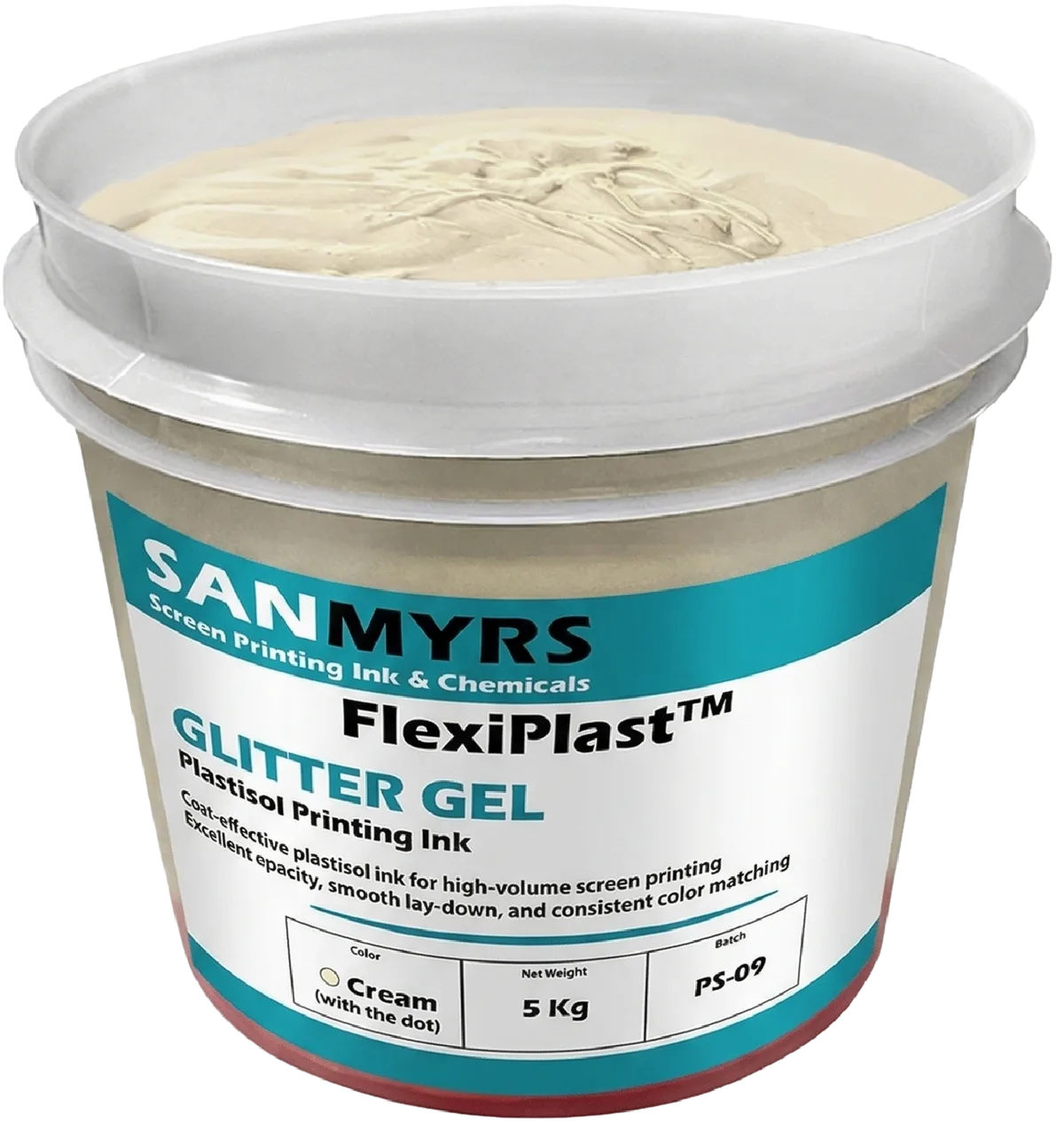
Plastisol Glitter Ink

Plastisol Glitter Ink

Plastisol glitter ink suspends premium-cut metallic polyester glitter particles in a clear or tinted plastisol base to produce highly reflective, eye-catching decorative effects on fabric. The large glitter flakes require an open-weave mesh (typically 40–60 threads per inch) for clean ink deposit while maintaining sufficient ink film thickness to anchor the particles securely. After curing at 160–180°C, the glitter particles are fully encapsulated, providing excellent wash durability.

View Details →
Plastisol Metallic Ink

Plastisol Metallic Ink

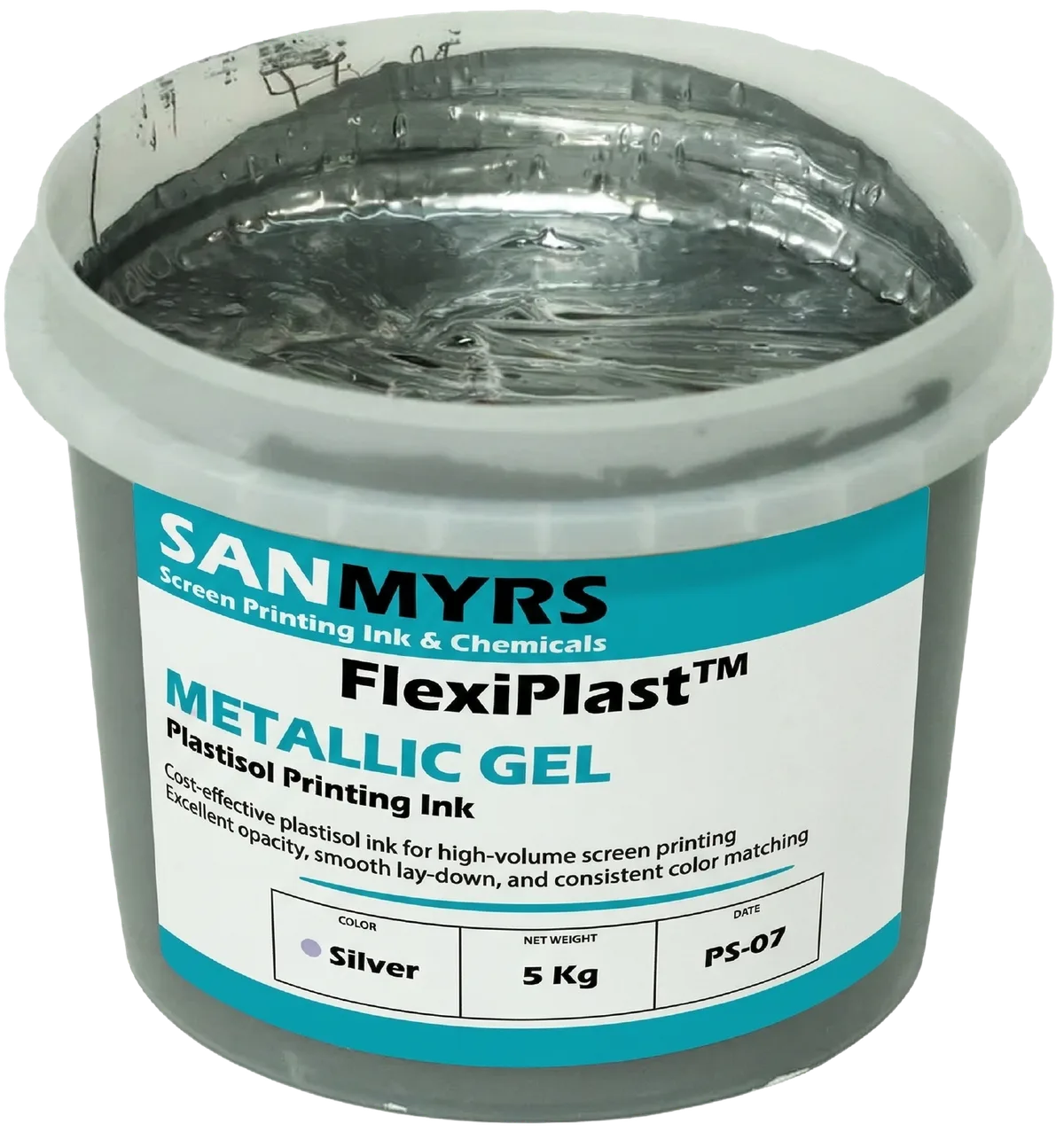
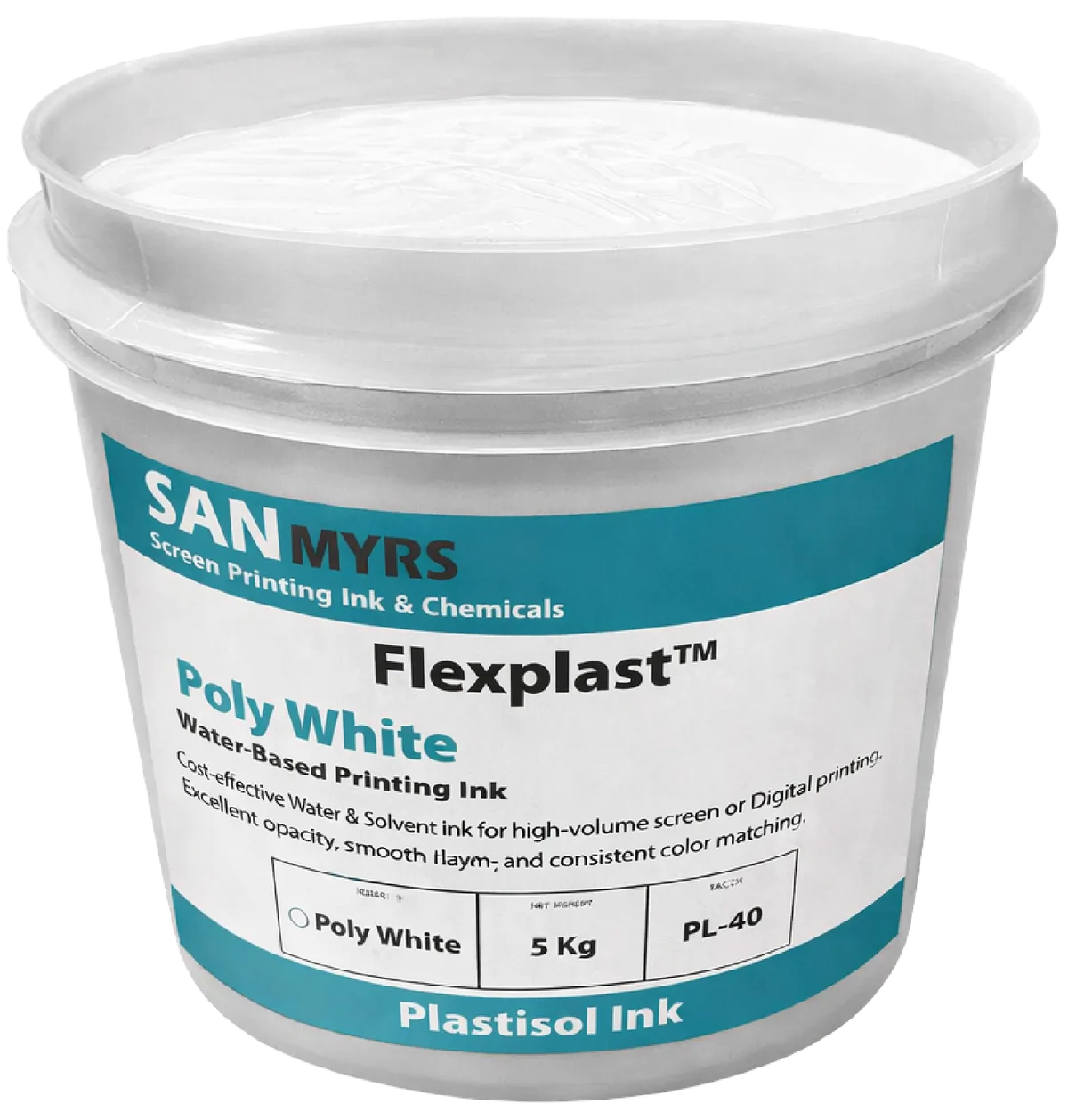
Plastisol metallic ink suspends fine aluminum or bronze powder pigments in a clear plastisol carrier to produce gold, silver, bronze, and copper metallic luster effects on screen-printed textiles. The highly oriented metallic flakes align during squeegee draw to maximize reflectivity and create a smooth, mirror-like surface when cured. Compatible with standard curing temperatures, it can be used as a standalone ink or combined with standard plastisol for metallic accent layers.
View Details →
Plastisol Glow Ink

Plastisol Glow Ink

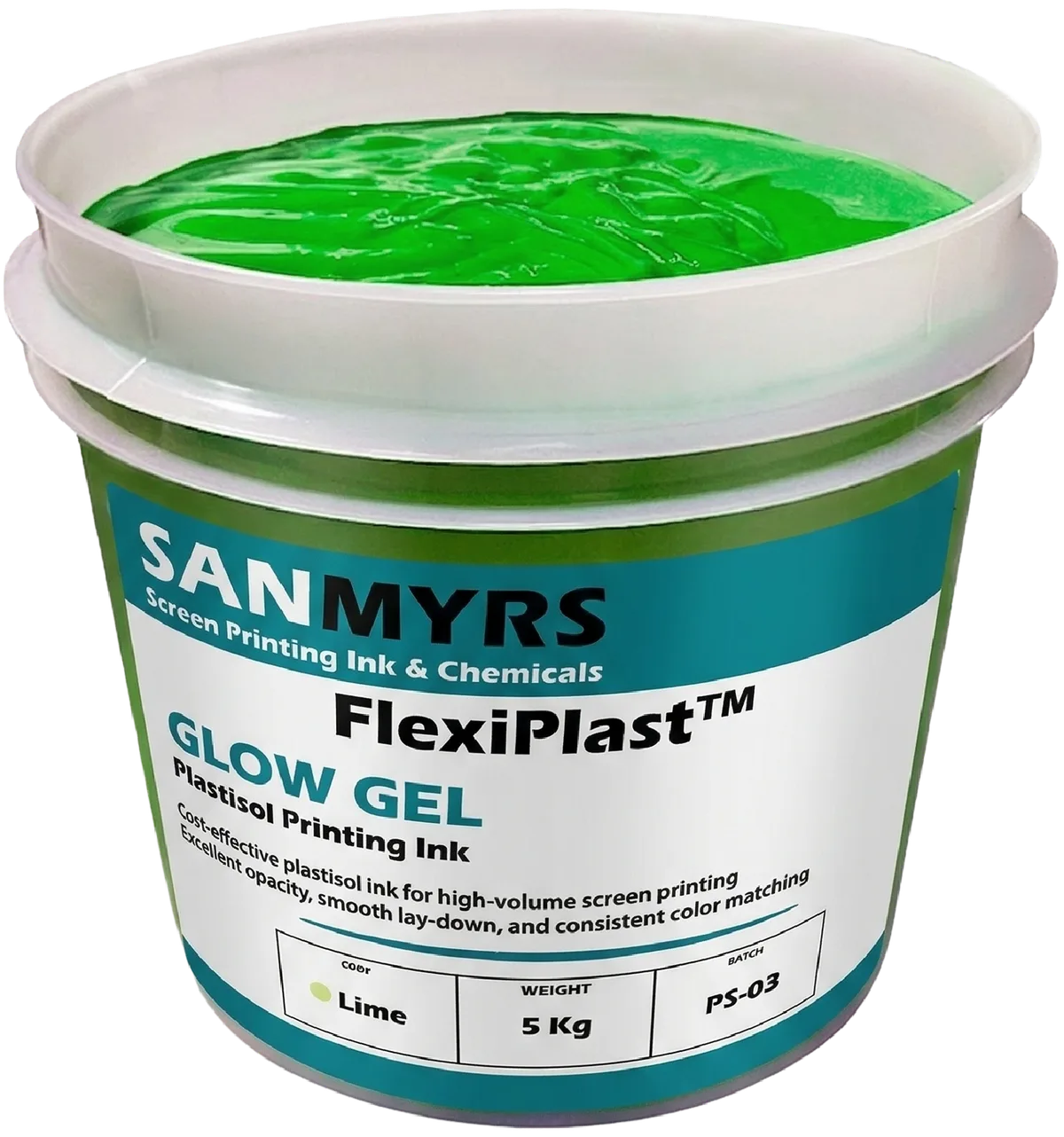
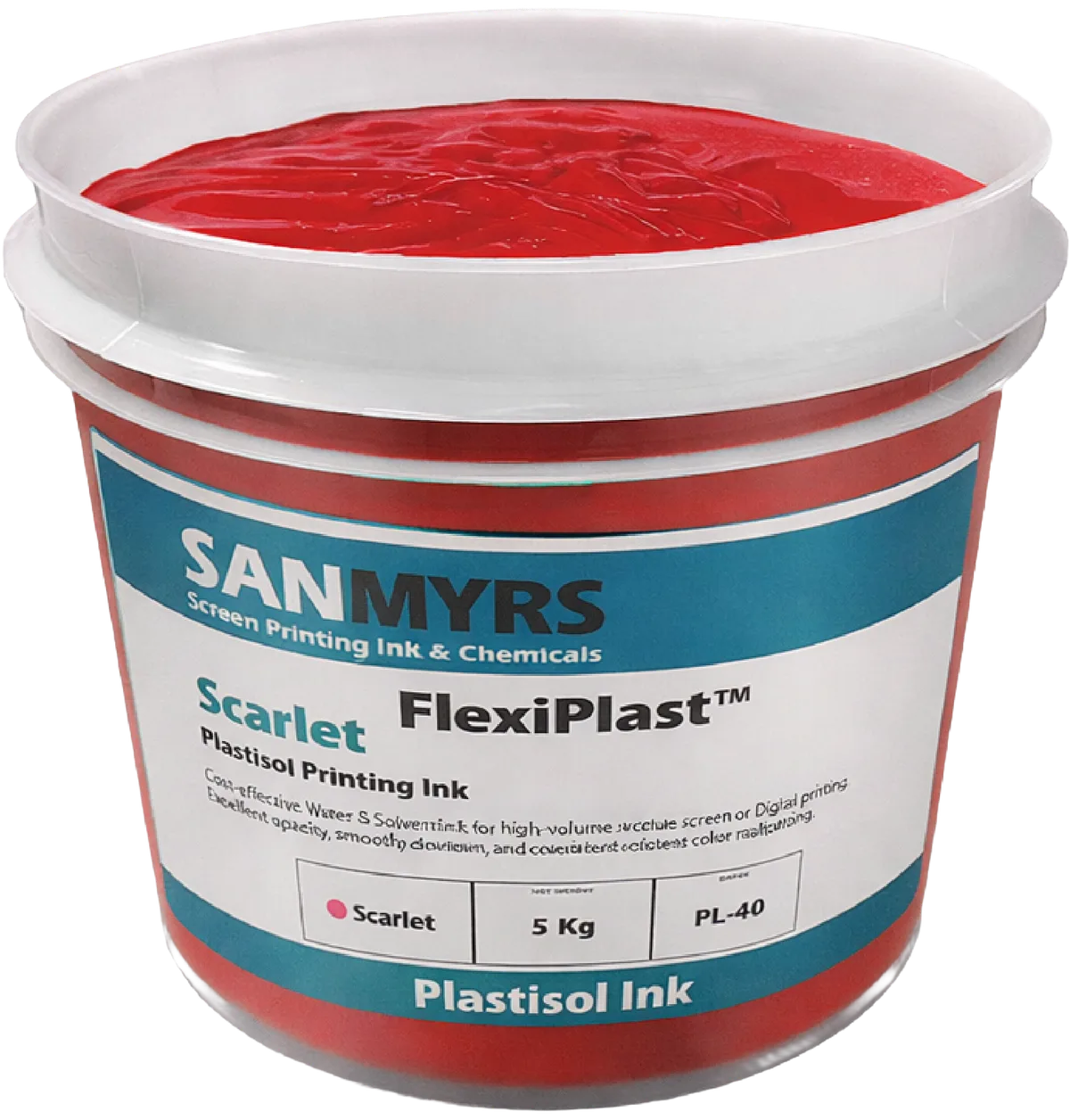
Plastisol glow-in-the-dark ink contains strontium aluminate phosphorescent pigments encapsulated within a plastisol binder for long-lasting, bright afterglow emission on textiles. When charged by natural or artificial light, the phosphorescent particles store energy and emit a vivid green or blue glow in darkness, maintaining visibility for hours. The robust plastisol carrier protects the photoluminescent pigments through washing cycles while delivering standard print quality during daylight.
View Details →
Plastisol Reflective Ink

Plastisol Reflective Ink

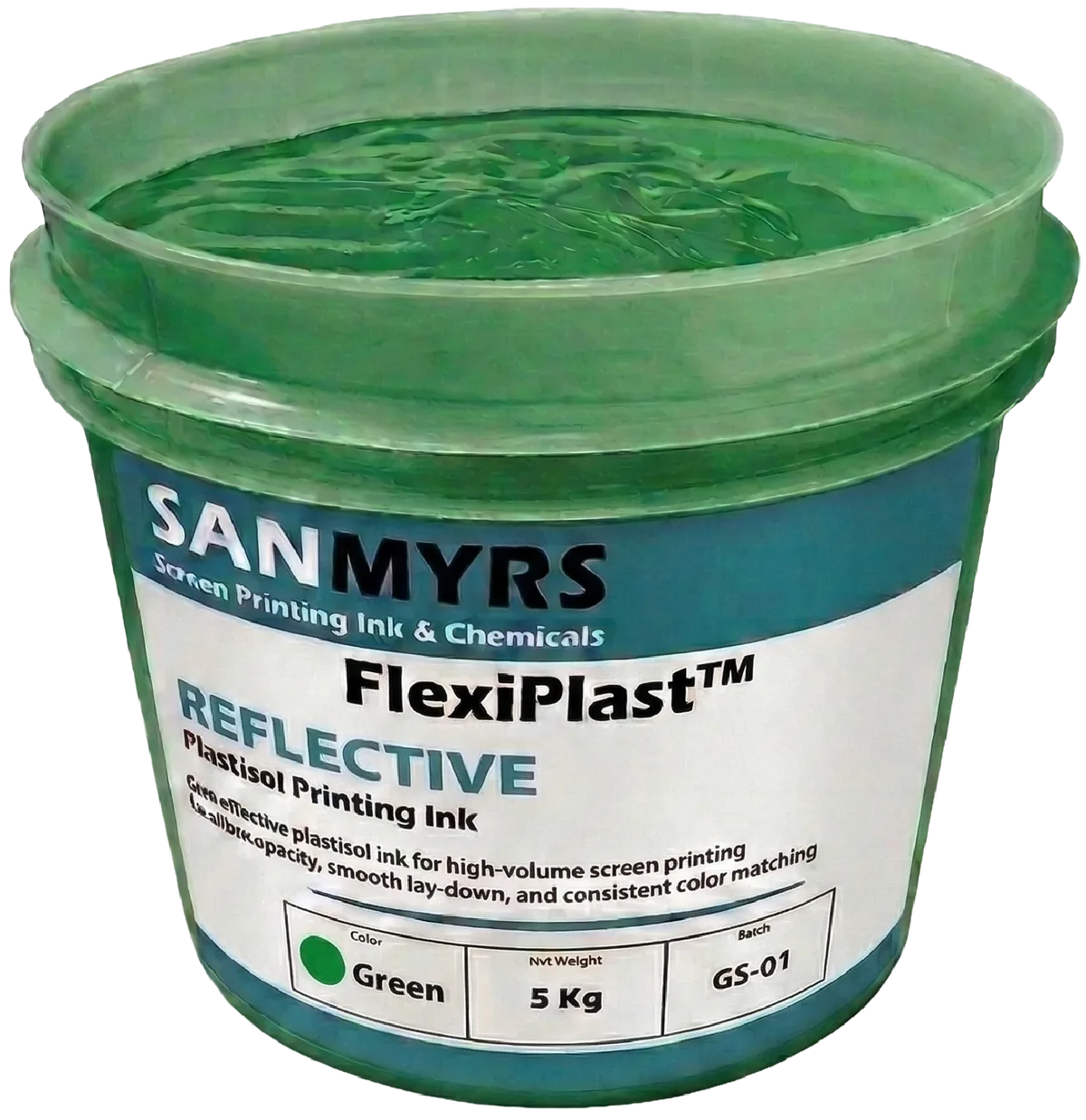
Plastisol reflective ink incorporates glass microsphere retroreflective technology into a durable plastisol binder to create prints that return light directly back to its source, dramatically increasing visibility in low-light and nighttime conditions. The precisely sized glass beads are dispersed throughout the ink film, ensuring uniform retroreflection across the entire print area. Prints maintain EN ISO 20471 retroreflective performance standards through repeated industrial laundering.
View Details →
Plastisol High Density Ink

Plastisol High Density Ink

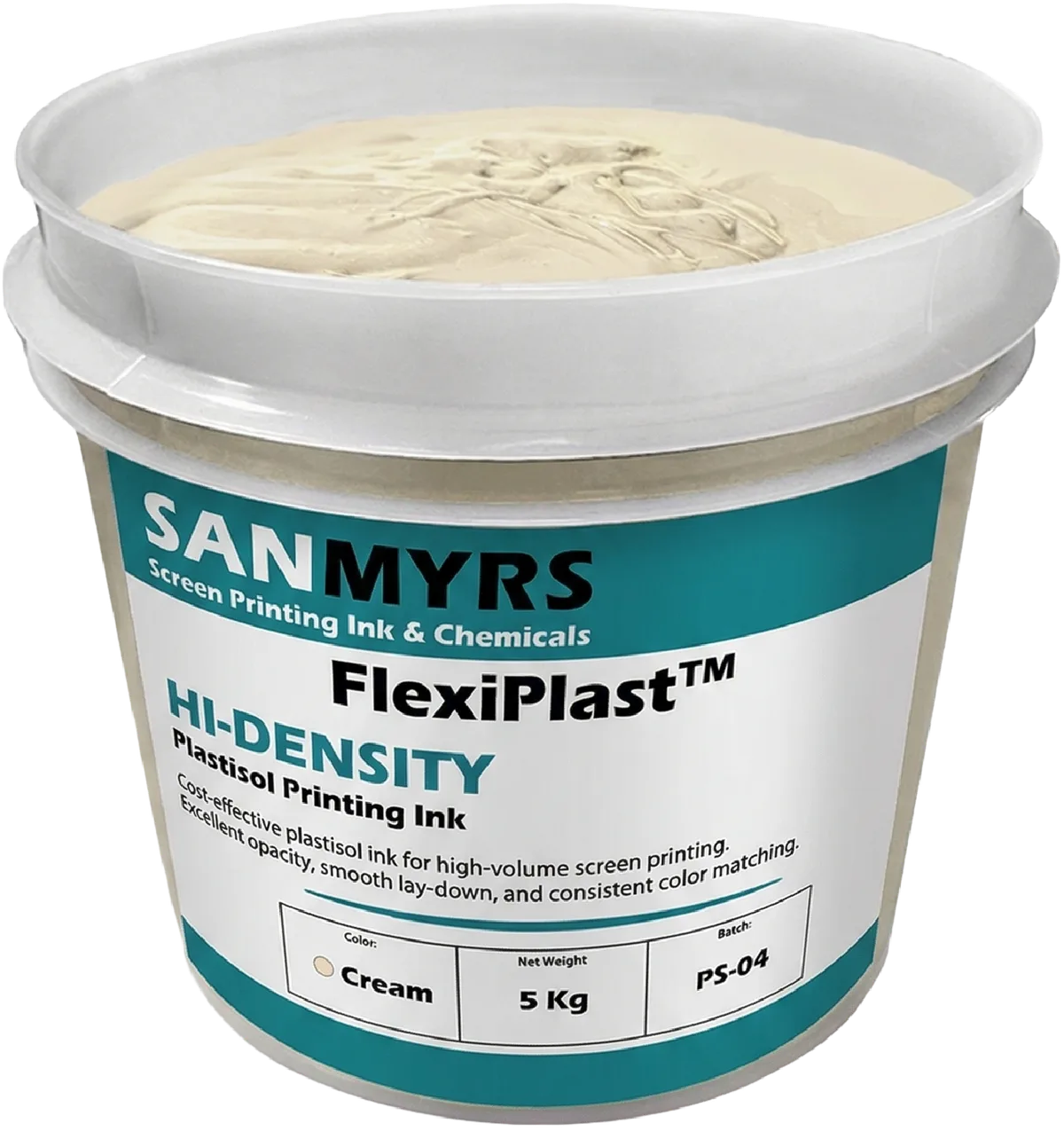
High density plastisol ink is a thixotropic, heavily bodied formulation engineered to build significant three-dimensional ink film relief off the fabric surface through multiple flood and stroke passes or thick emulsion stencils. The controlled rheology allows the ink to hold sharp vertical edges and embossed textures without slumping or spreading during or after printing, creating tactile graphic effects. After curing, the raised print provides a dramatic three-dimensional look and feel that simulates embroidery, rubber patch, or gel effects.

View Details →
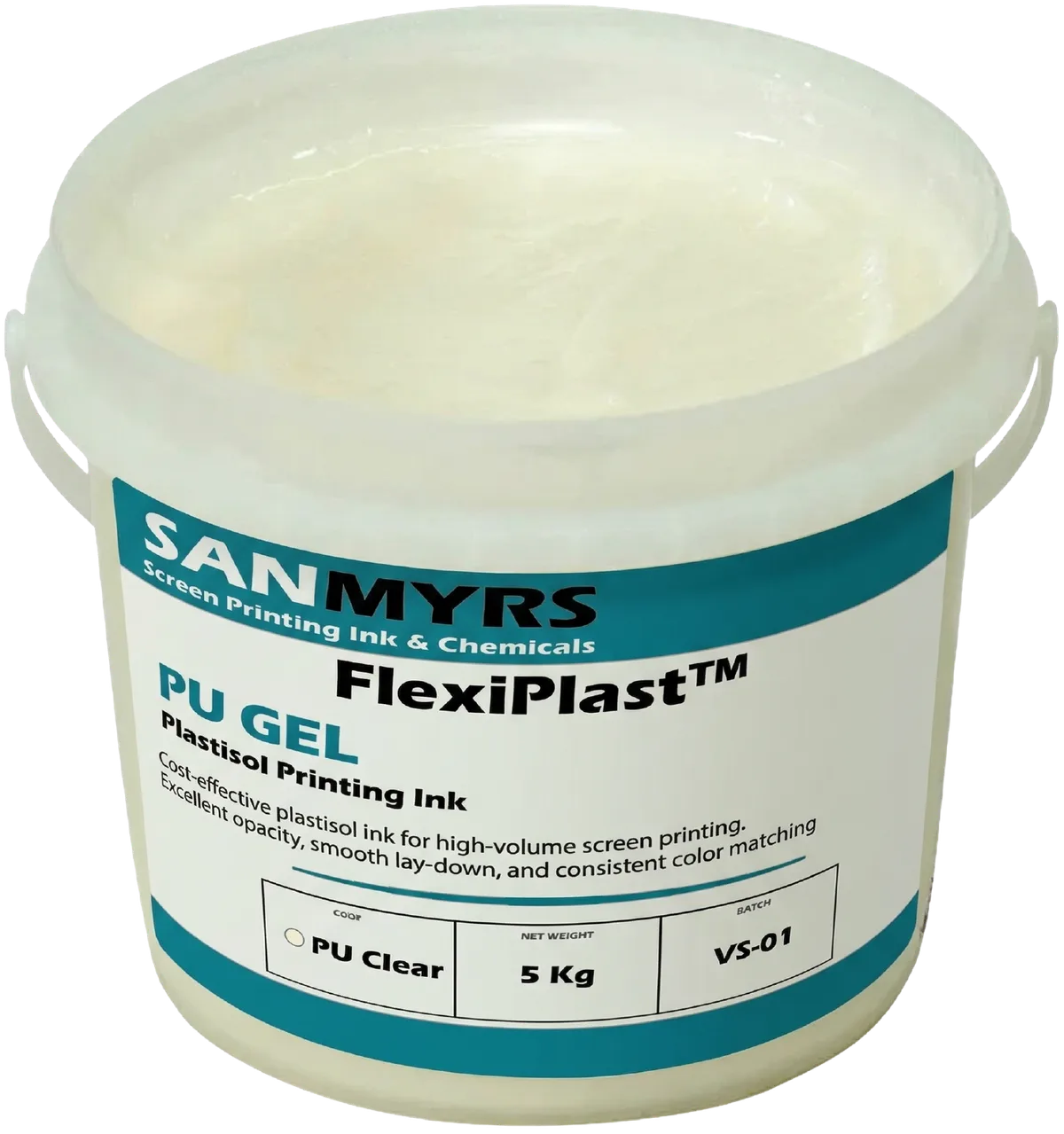
Plastisol Clear / Gel Ink

Plastisol Clear / Gel Ink

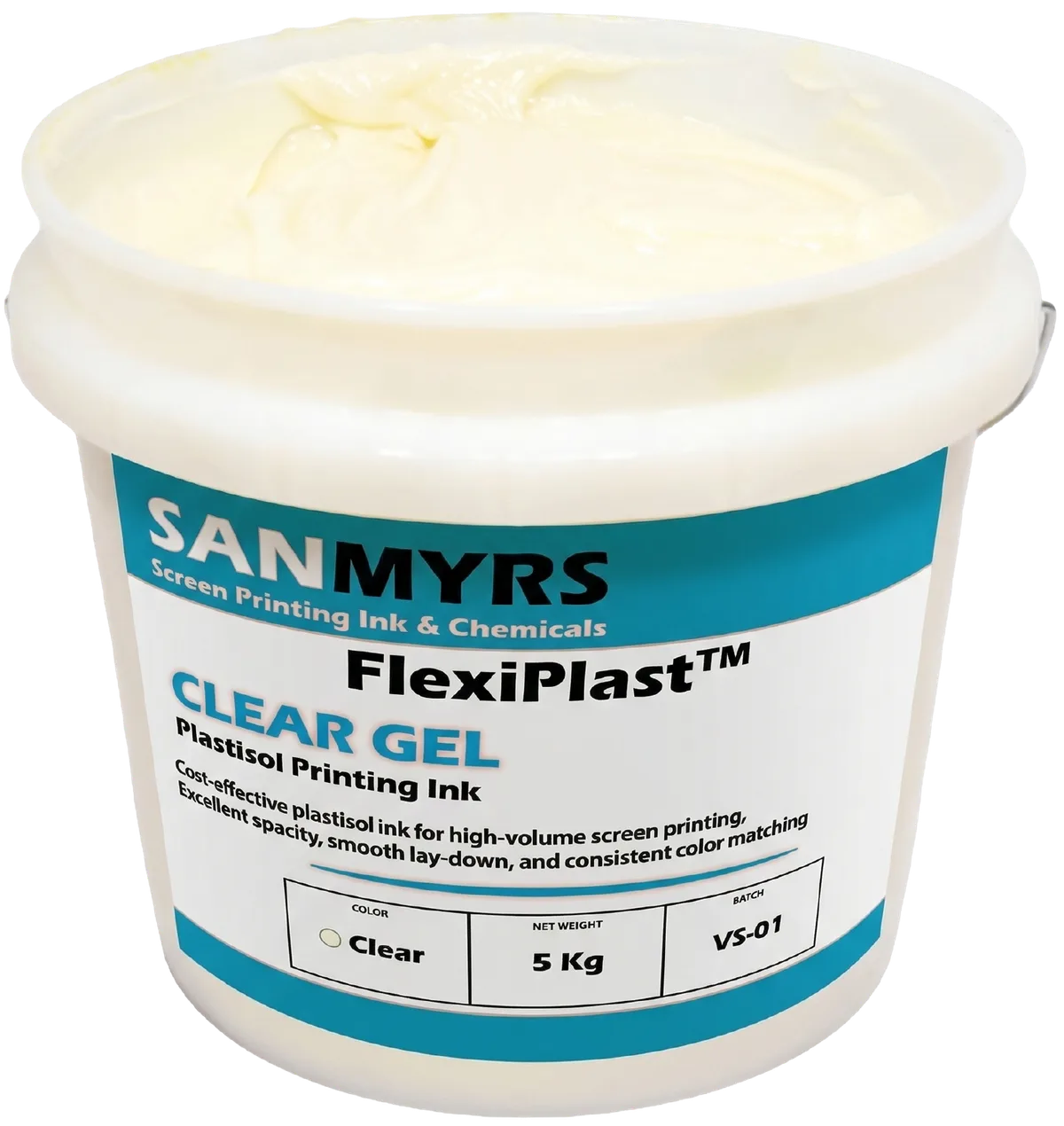
Plastisol clear and gel ink is a transparent, colorless plastisol formulation used as a mixing extender, overprint varnish, or standalone high-gloss gel effect ink on textiles. As an extender, it reduces the color strength and viscosity of standard plastisol inks for tonal mixing without affecting cure properties. Used alone on a printed or unprinted surface, it cures to a glossy, glassy gel layer that produces dramatic wet-look and glass-bead visual effects.

View Details →